Serving predictive intelligence for remarkable margin growth
Get real-time food delivery analytics that eliminate "tablet hell," unify sales data, and drive efficiency in every kitchen and route. Go from data chaos to confident decisions, backed by the best AI analytics for the food delivery industry.

Data is your single source of truth in the fragmented delivery world
Siloed data and manual updates can’t keep pace with the minute-by-minute volatility of the food delivery market. Unified, real-time analytics eliminate this operational uncertainty, transforming logistical chaos into a decisive competitive advantage.
Menu maintenance is a time sink
Manually managing menus, prices, and availability across multiple apps consumes critical management hours, leading to errors and missed sales opportunities.

Sales data is fragmented
A restaurant's online and offline order data lives in separate systems, making it nearly impossible to get an accurate, consolidated view of true sales performance.

Customer perception shifts quickly
Delivery reliability and order accuracy are paramount. Negative reviews resulting from long waits or wrong orders impact brand trust instantly.

Logistics are the profit lever
Optimizing driver assignment, route planning, and prep time is crucial for keeping commissions low and service quality high, a task only feasible with accurate food delivery analytics.

Core food delivery challenges we solve
From scattered order data and manual menu updates to visibility gaps across platforms, food delivery businesses face operational friction at scale. This section breaks down where automation and analytics remove that complexity.
"Tablet Hell" and menu inconsistency
Restaurants are overwhelmed managing multiple platforms, requiring tedious manual updates and leading to errors in pricing, hours, or dish availability. This duplication wastes staff time and frustrates customers.
Centralize menu, pricing, and availability
Sync updates instantly across all platforms
Prevent cancellations with real-time availability
Manage all locations from one dashboard
The pillars of DataDwip’s food delivery intelligence
Winning in food delivery requires clarity across menus, orders, and customer behavior. These pillars connect platform-level data into one system for faster, smarter decisions.
Aggregator data unification
Consolidating menu, pricing, and operational hours from every delivery platform to eliminate manual management and ensure consistency.
One-click menu syncing
Real-time stock availability
Best analytics tools for food delivery companies
Your DataDwip advantage
DataDwip simplifies multi-platform operations by turning scattered delivery data into clear structured insight. The result is faster execution, fewer errors, and stronger performance across every channel.
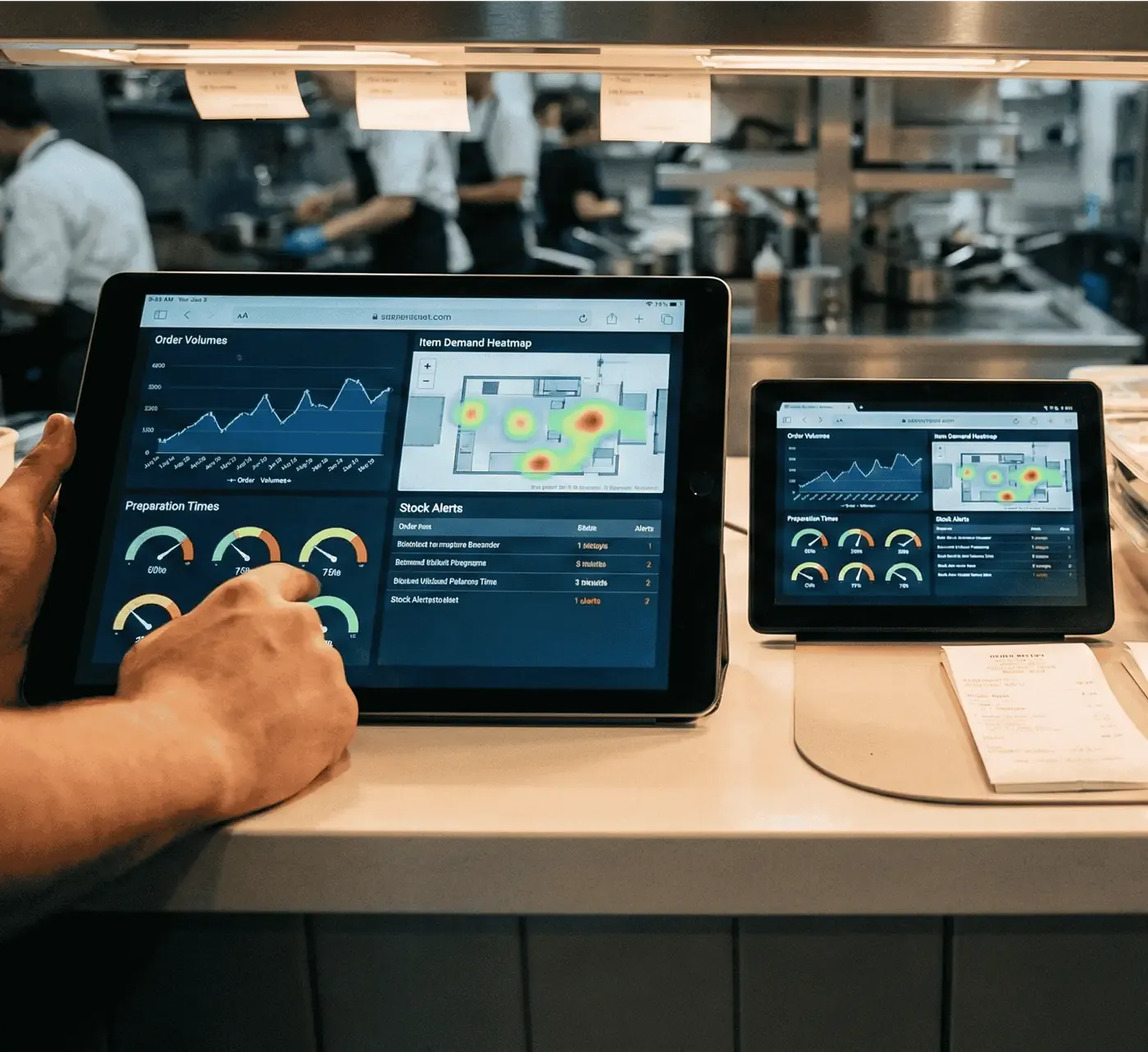
Exceptional operational efficiency
We eliminate the manual "chore" of fragmented reporting. Our real-time data aggregation ensures that every operational decision, from prepping a high-demand item to managing a menu stockout, is backed by the fastest, most reliable data.
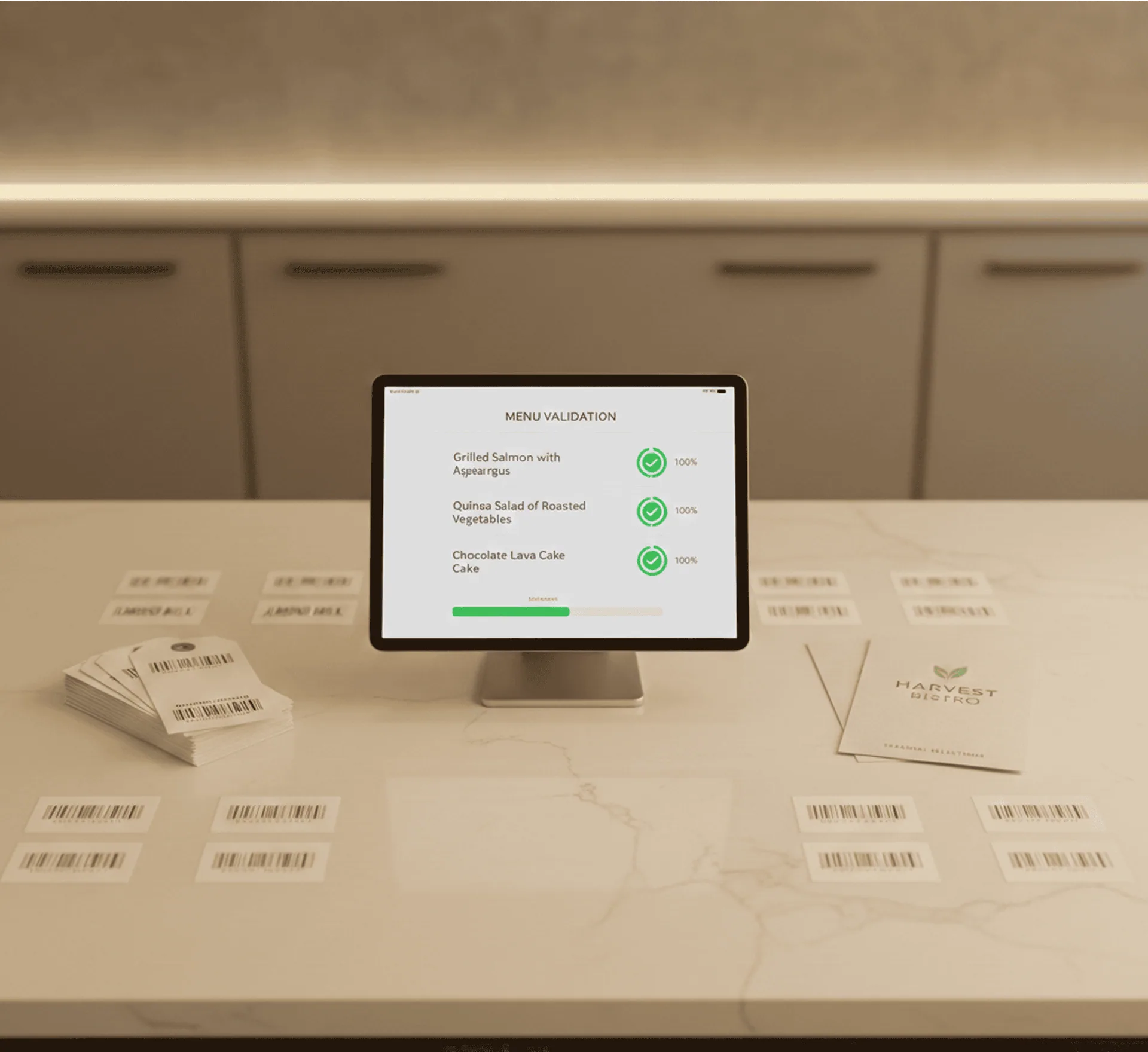
Foundation of reliable information
Our systems are built on proprietary online ordering scraping and food delivery aggregator technology, delivering consistent, error-free inputs. This trustworthy data foundation prevents costly menu mistakes and flawed financial reporting.
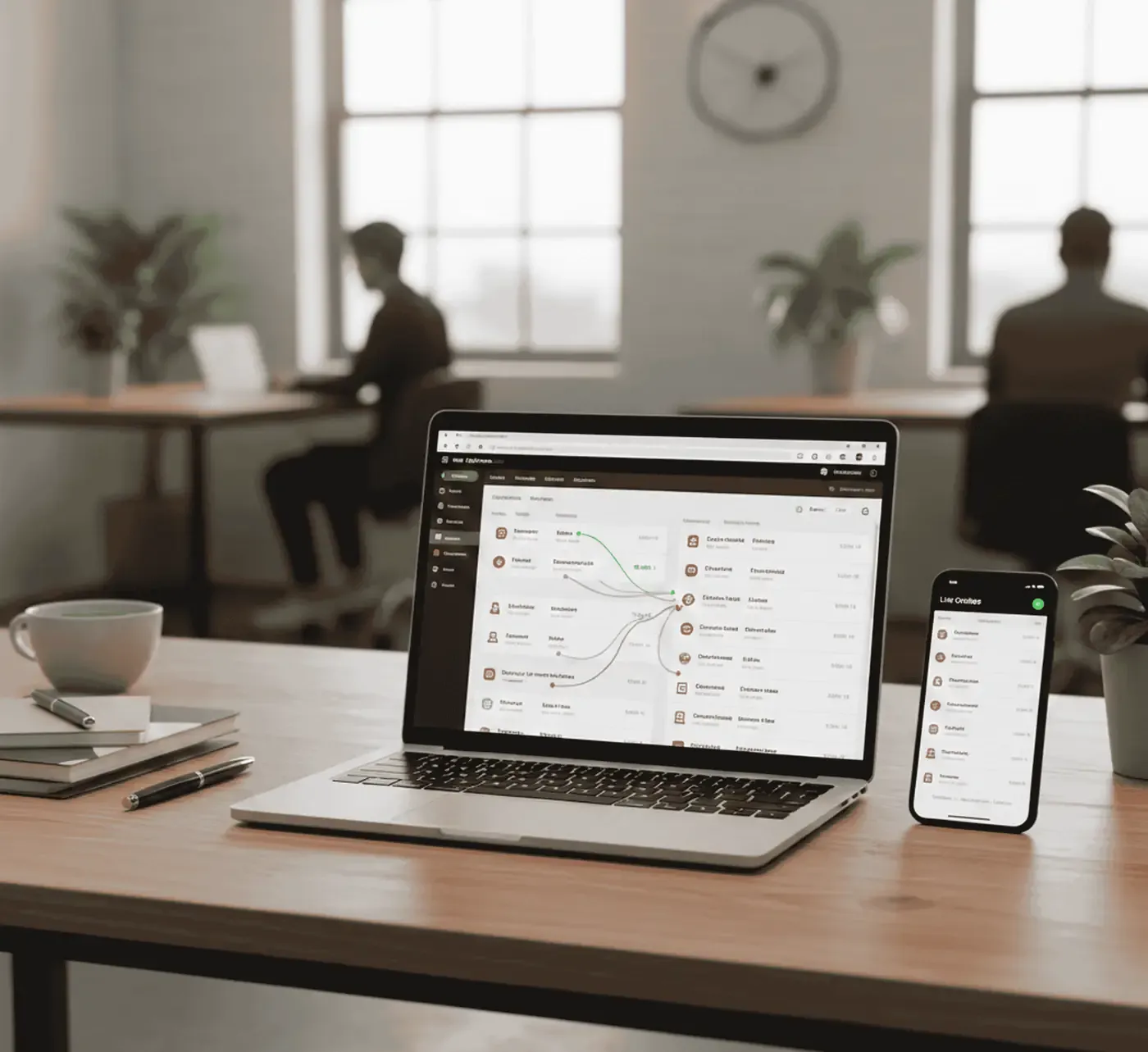
Complete channel control
DataDwip unifies operational data from your kitchen (POS) and all third-party aggregators into a single coherent view. This one source of truth removes the information silos that slow down food delivery teams.
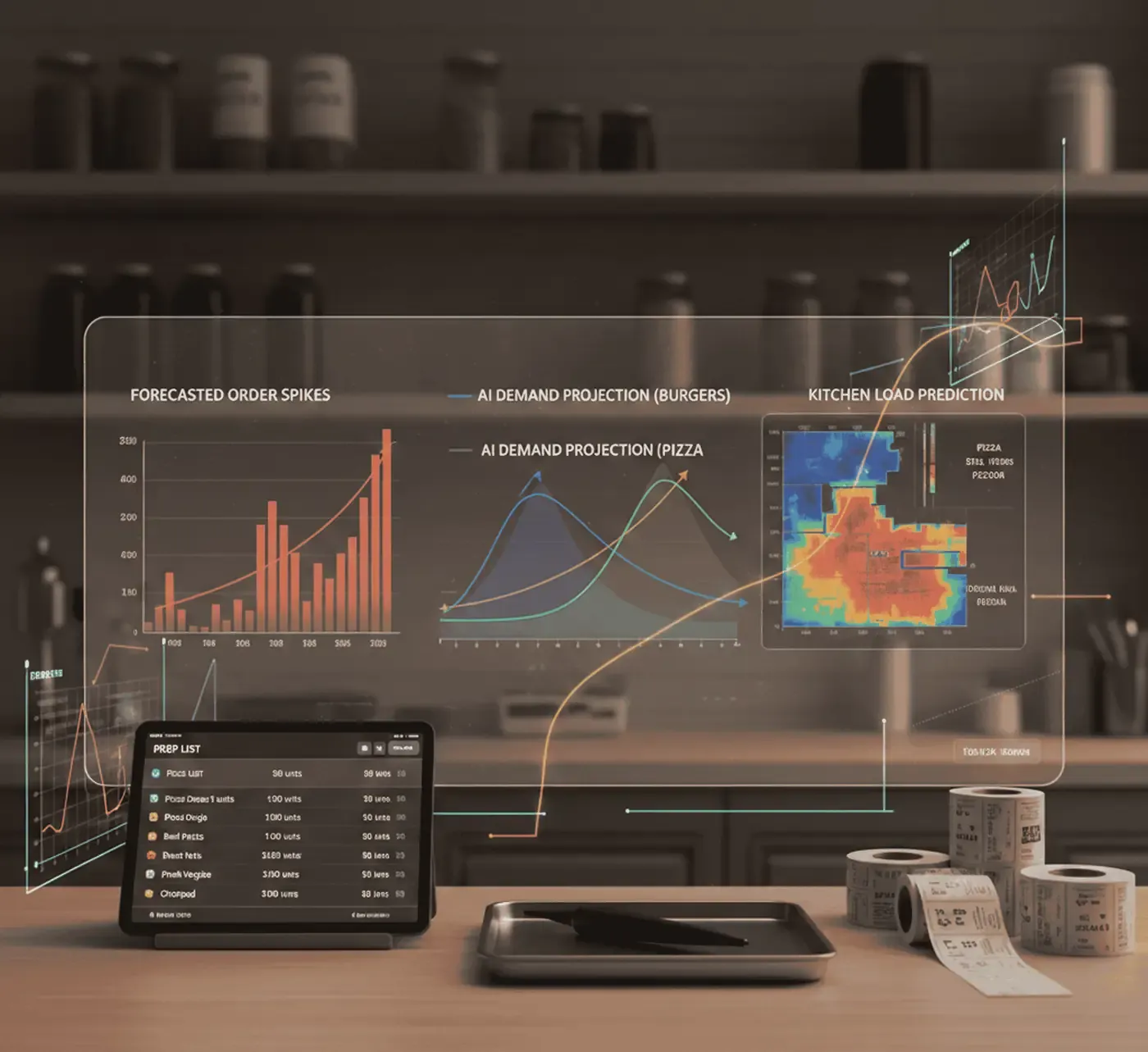
Vision fueled by actionable tactics
Beyond historical reporting, our predictive intelligence uses the best AI analytics for food delivery industry to anticipate demand spikes and logistical bottlenecks. You get clear, actionable insights that accelerate kitchen efficiency and drive sustainable growth.
Our consulting methodology
Our partnership runs through four focused steps that integrate smoothly with your workflow and ensure strong, evidence-backed client outcomes:
Map operational friction points
We align with your team on core operational hurdles, such as reducing prep time during peak rush or calculating true profit margins after aggregator fees. This ensures our data addresses your key pain points.
Unify fragmented channel data
We aggregate and structure your fragmented order, menu, and driver data from all platforms. Standardizing formats eliminates manual spreadsheet work, allowing your team to focus on profit-driving solutions.
Translate data to profitable insights
We translate raw order inputs into clear signals using structured food delivery analytics. This gives fast insights into menu performance, driver efficiency, and geographic demand patterns.
Integrate data into daily workflow
We integrate validated insights directly into your workflow (dashboards, POS). This ensures your daily decisions, from inventory prep to driver scheduling, are backed by high-confidence market intelligence.
Tested and trusted


Google Rating

Clutch Rating

Goodfirms Rating
Trusted by food delivery teams
5.0 average across 38 verified reviews on Clutch and GoodFirms.
- Clutch
“They provided a technically strong team capable of solving any problem presented to them.”
Data Dwip's solution has helped the client achieve a 50% increase in productivity, a boost in the amount of useful, good quality data for analysis, and an increase in the efficiency of decisions. The team delivered all the requirements on time and impressed the client with their technical skill set.
Sumith DissanayakeCEO, Brisca - Clutch
“Their team of skilled developers handles their tasks efficiently.”
Data Dwip's chatbot has been seamlessly integrated into the client's system. The client is impressed with the team's prompt replies, daily updates, and quick bug fixes. Moreover, the team is highly responsive and meets all delivery dates. They communicate via email and virtual meetings.
Andrew LockheadCEO, Stay22 - Clutch
“The delivery dates have been met by the team, and they function with excellent responsiveness.”
Data Dwip has successfully delivered the project on time and within budget. Their project management has been excellent — they deliver items on time, communicate regularly, and respond to queries and concerns promptly. The client is most impressed with the team's talented and reliable engineers.
Guillaume FradetCEO, Xperts Council
Ready to transform your revenue velocity?
Stop managing chaos. Start leading your market with a food delivery data analytics framework built for continuous, predictable growth and operational excellence.
Book a free consultation

Frequently Asked Questions

What is the “tablet hell” problem and how does your solution fix it?
"Tablet hell" refers to the overwhelming task of managing multiple systems/tablets from delivery apps (DoorDash, Uber Eats). Our food delivery aggregator integrates all orders, menus, and reporting into a single dashboard. This single source of truth, powered by food delivery analytics, eliminates manual double-entry and error.
How does your AI predict delivery demand for my restaurant?
Our predictive model uses the best AI analytics for the food delivery industry by analyzing thousands of data points, including your historical order volume, local competitor activity (via restaurant data scraping), weather, and specific menu item velocity. This allows for precise, actionable kitchen and staffing forecasts.
Can you unify my sales data if I use three different aggregators plus my own website?
Yes. Our core service specializes in using online ordering scraping to pull together all orders from your website, your POS, and every third-party aggregator. You get one dashboard showing true, consolidated performance metrics across all channels.
What specific benefit does menu data aggregation offer?
Menu data aggregation provides a centralized point of control. It saves hours of manual work by letting you update prices, descriptions, and availability once. More importantly, it ensures menu parity, eliminating customer frustration caused by incorrect pricing or advertised items that are actually out of stock.